
Inclusion: A Student Perspective
By: Azriel Handa
An inclusive campus is something that I believe all students should strive for. Every student, regardless of their identity, belongs at RDP and deserves the opportunity to find a space for themselves. However, I don’t believe inclusivity stops at just accepting everyone. It’s also about embracing everyone and making space for those who are marginalized. It is not just passive, it is active and intentional as well. To that end, why should this be something students care about, and how can students be active in fostering an inclusive campus?
An inclusive campus is one where students feel connected to their peers. There is a sense of community and connectedness to the people around you, and throughout my time in post-secondary staying connected with friends and making intentional choices to spend time with them has improved my mental health drastically. The relationships that you foster in post-secondary may just be ones that you carry beyond graduation. They may even be the ones that teach you valuable lessons about life that inform your worldview as you move forward.
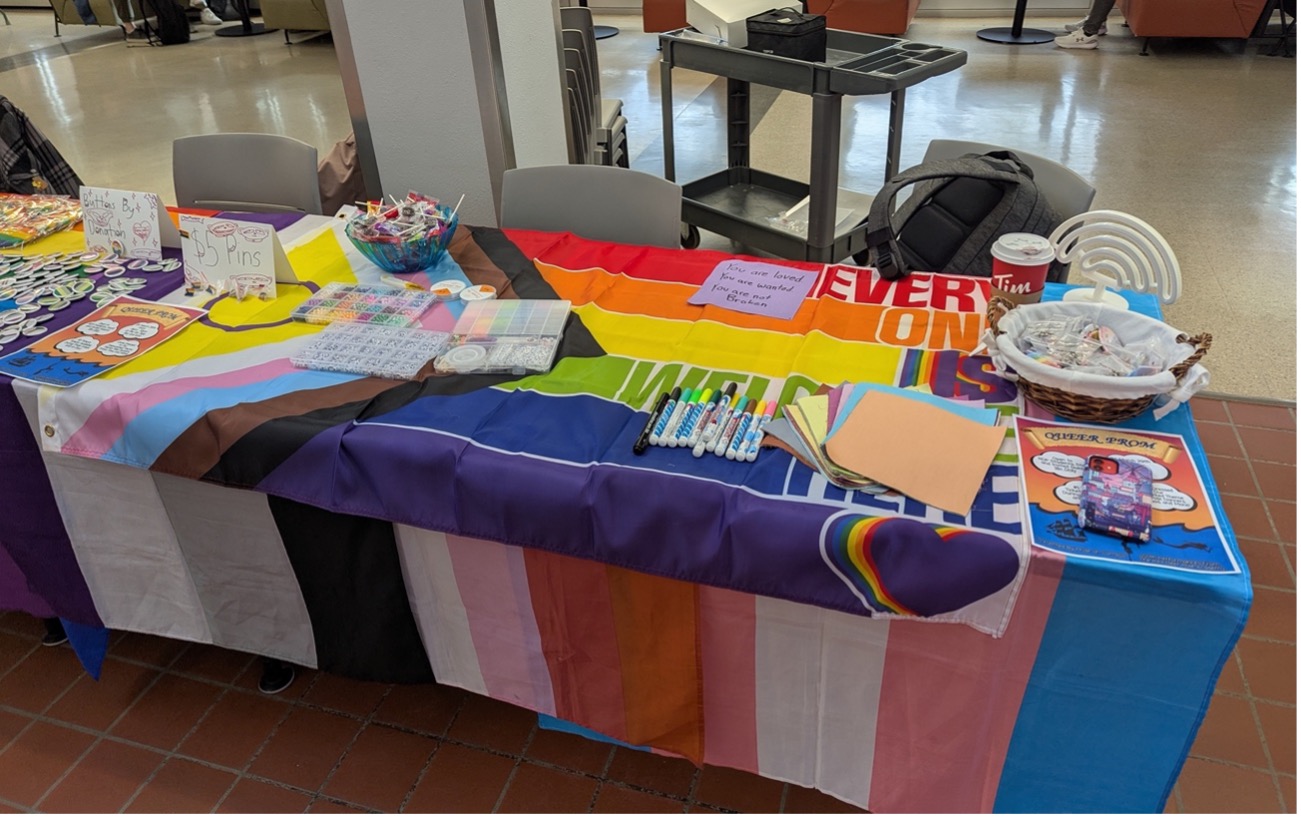
In addition to this, an inclusive campus is one that encourages learning and seeing the world from a perspective other than your own. From personal experience, social media algorithms can force us into an echo chamber of sorts. While it’s great to be able to tailor the content you see to your own personal interests, sometimes we need to step back and see what else is out there. Exposure to other worldviews and life experiences is a great way to force yourself out of your comfort zone. Who knows, maybe you’re introduced to a new lifelong hobby or interest you would have never found otherwise!
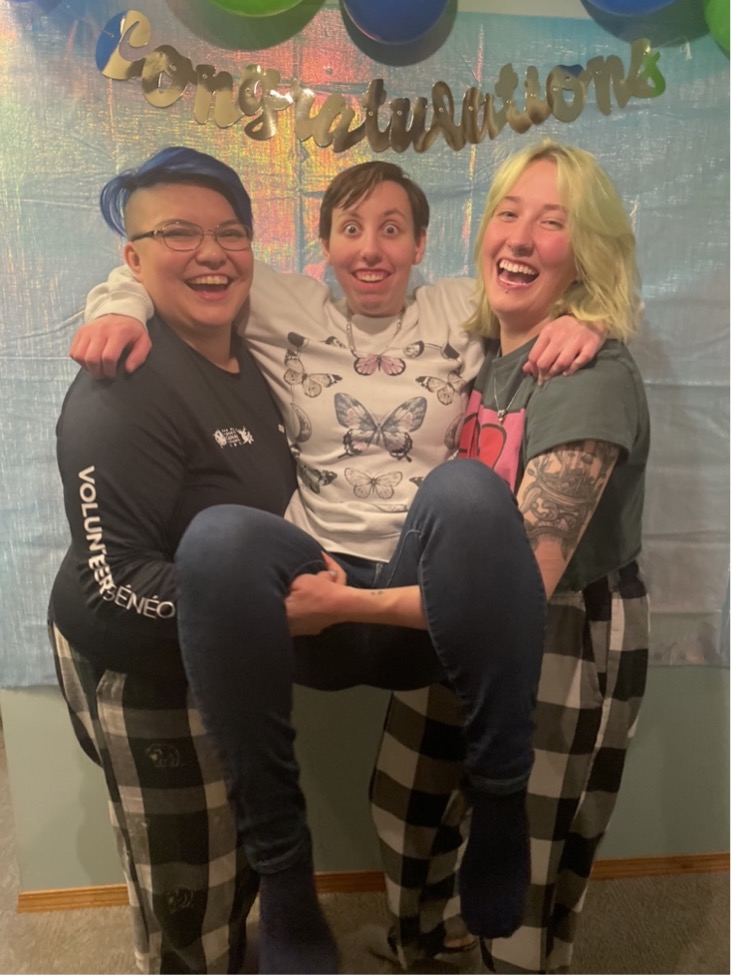 Students can help foster an inclusive campus by getting involved in their community. There are a variety of student groups that focus on creating safe spaces or giving students the opportunity to take a break from their studies. Examples from my own involvement in student groups include Pride on Campus and the Accessibility and Connections in Education Society (ACES) which focus on queer and disabled students respectively. Additionally, if a student feels that there is not a student group that represents them or their interests, they’re free to create their own! Student groups aren’t the only way to get involved in the community, however. This past year I’ve been involved with the Students Association’s EDII committee, which has allowed me to participate in other activities in support of inclusion such as Accessibility Week which took place during the fall semester. Additionally, students can also get involved by speaking up in their own circles. Educating your peers on issues that matter to you is a great opportunity to strengthen your relationships and can spark meaningful conversations. You may even find yourself learning something from them as well.
Finally, students can become active participants in creating an inclusive campus through their academic journey as well! If you have an open elective and you’re looking for something to take, take some time to explore the variety of classes that are offered on campus. Engage with classes that discuss intersectionality, ethics and cover hard topics. Play an active role in your own learning Talk to your friends and see what they’ve taken. Speak with your advisors or consult your grad tracker to ensure that the credit fulfills any graduation requirements and take a chance! You may find that a new class leads you on a new path you would’ve never thought of otherwise!